
Jump to the content
- {{#headlines}}
- {{title}} {{/headlines}}

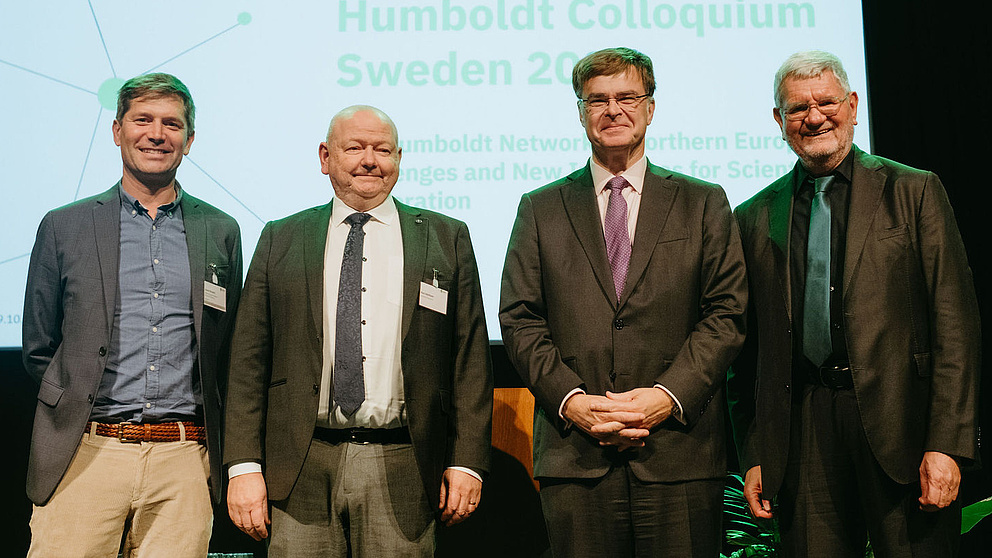
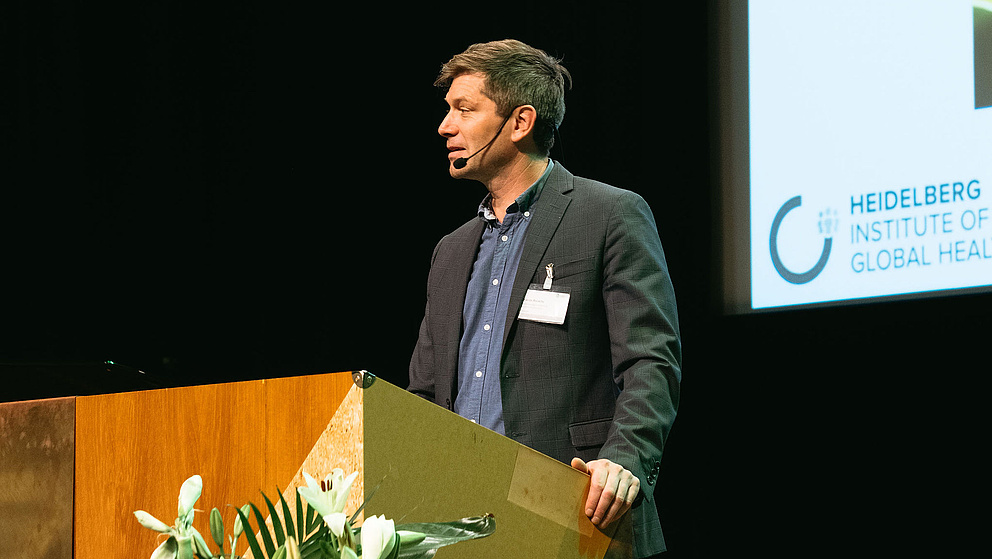

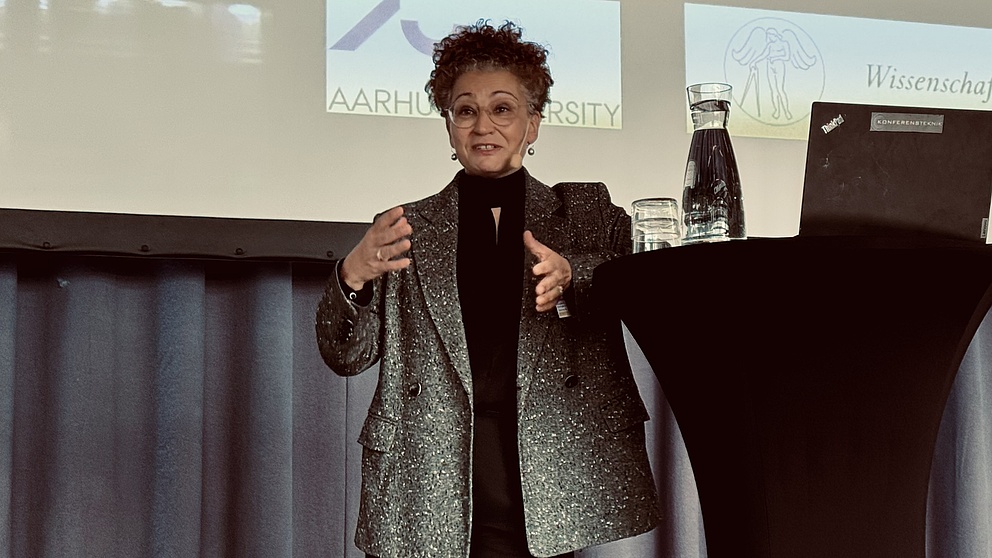

The Humboldt Colloquium in Stockholm brought together 120 researchers from Sweden, Norway, Finland, Denmark, the Baltic States and Poland – a region which is currently particularly impacted by geopolitical tensions.
In his opening speech, Humboldt Foundation President Robert Schlögl underscored the importance of cross-border collaboration, especially in times like these : “We should not follow the impulse to curtail academic cooperation. On the contrary: This is precisely when we need places in which people can meet across borders. We need to be prepared to keep talking to one another.”
“Science is teamwork”, Schlögl continues. “Major scientific achievements are a product of sharing, of differing perspectives, international cooperation and, indeed, trust.”
Collaboration means responsibility
In plenary lectures, workshops and discussions, the participants discussed how science diplomacy can foster international exchange and what Humboldt Foundation fellows and alumni from northern Europe can contribute.
The importance of scientific and academic freedom and its protection was stressed time and again. International collaboration, it was noted, also means taking responsibility for one another – and particularly for researchers who are at risk. The best form of support is collaboration – like the kind the Humboldt Network enables, participants said.
The participants were agreed: Everything in scientific cooperation revolves around people – personal contacts and mutual trust continue to be at the centre of these activities. Furthermore, passion, dedication, taking pleasure in sharing and exchange, as well as collaboration on equal footing are the basis for successful partnerships.
New Alumni Associations in northern Europe
An important signal for closer collaboration with northern Europe has already been sent. In parallel with the 75th anniversary of German-Swedish diplomatic relations, the Swedish Alumni Association was successfully revived. Humboldt alumni are also planning to establish further Alumni Associations in Norway and Estonia. In addition, the “Humboldt Clubs” have expanded their cross-border collaboration and initiated joint activities.
“A network will flourish only when its members are actively involved in it”, Schlögl said in closing. “Let us continue to further strengthen and expand the Humboldt Network throughout all of northern Europe.”