
Jump to the content
- {{#headlines}}
- {{title}} {{/headlines}}
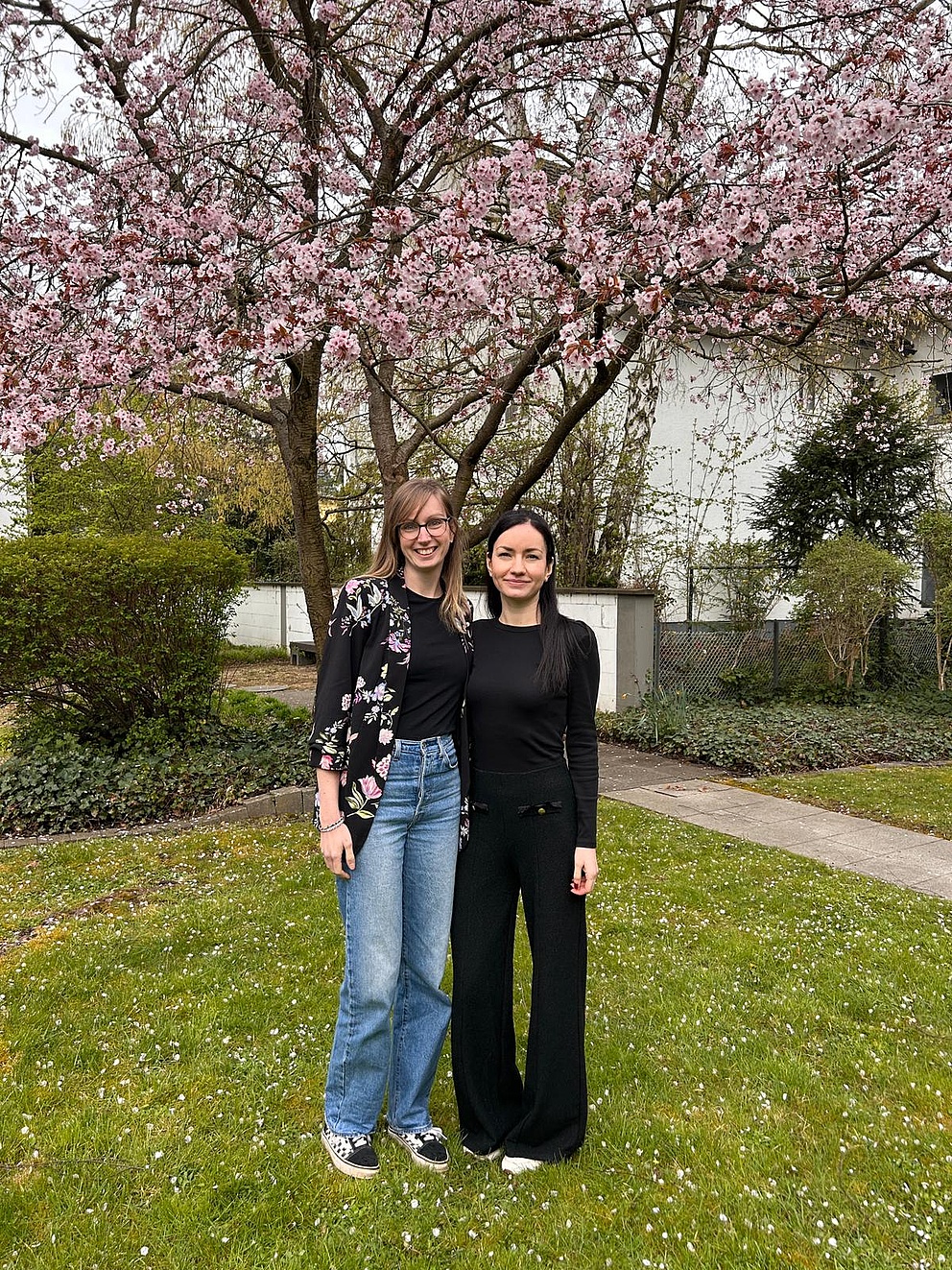
Several thousand years, many small disciplines, long traditions: “Ancient Cultures” are to be found at the very beginning of the list of disciplines. From ancient history, classical archaeology and philology through to ancient Middle Eastern studies, prehistory and Egyptology – Ancient Cultures covers a raft of topics and periods that, despite interdisciplinary links, are distinct from one another. All the applications in this group of subjects are managed by two members of staff in the Selection Department: Hilal Cokal is responsible for the processing; she checks that applications are formally correct and communicates with applicants, hosts, and specialist reviewers. The review process itself and the relevant subject preparation are the responsibility of Dr Kristina Hamacher. Last year, we were able to fully process nearly 70 applications with a success rate of more than 30 percent.
Applications come from all over the world. The majority hail from Europe and the United States but we also receive applications from Israel, Australia and China. The number of young, junior researchers addressing innovative topics outside the mainstream is growing particularly. In the last few months, for example, Byzantine studies, which seemed to have more or less disappeared from the German university landscape, has experienced a revival. And auxiliary historical disciplines like numismatics can also boast distinguished Humboldt Award Winners amongst their number.