Jump to the content
- {{#headlines}}
- {{title}} {{/headlines}}

Contact
Press, Communications and Marketing
Tel.: +49 228 833-144
Fax: +49 228 833-441
presse[at]avh.de
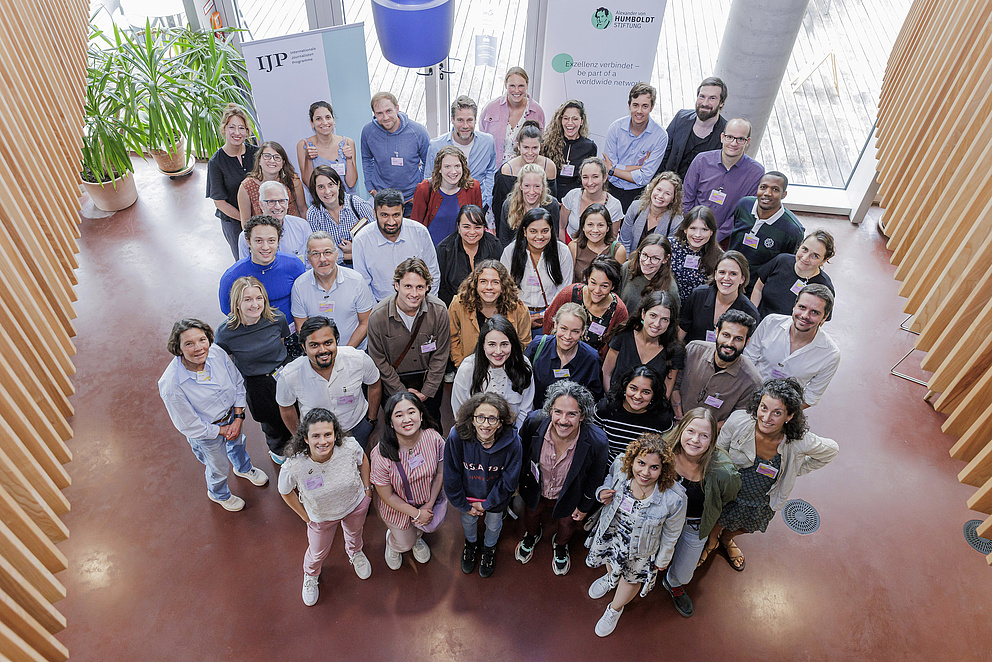
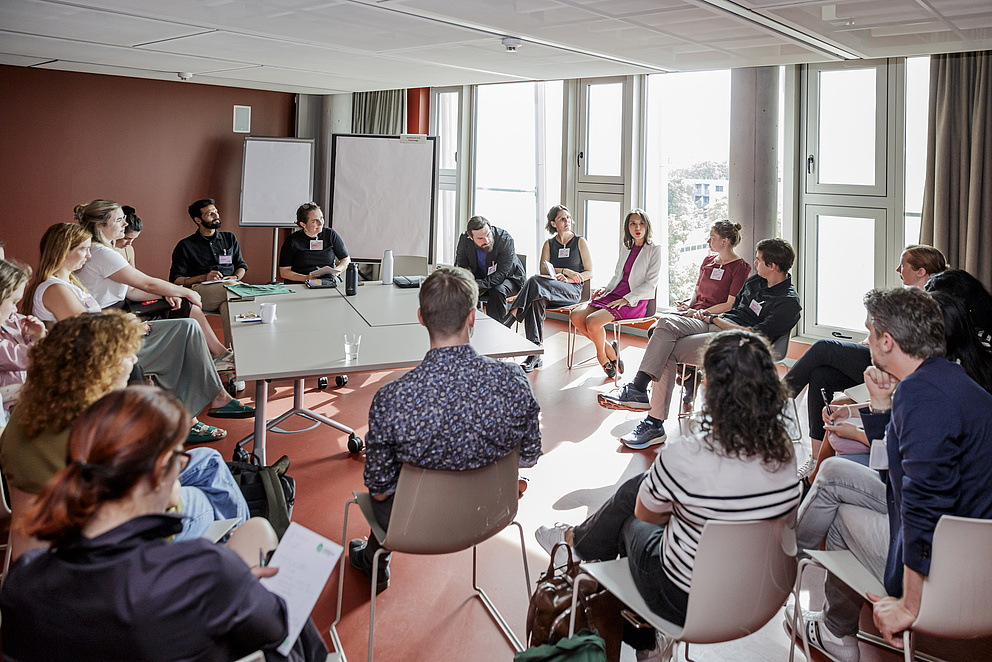
From 4 - 6 September 2025, 20 researchers and journalists got together in Berlin to discuss the most recent research trends and ideas for a long, healthy life. In panel discussions, deep dives and group work with experts from science and the media the focus was on developments in medicine and health, nutrition and sustainable urban planning. What will a healthy life look like in the future? What ideas will point the way ahead? How can science and the media work together to find solutions in a connected world?
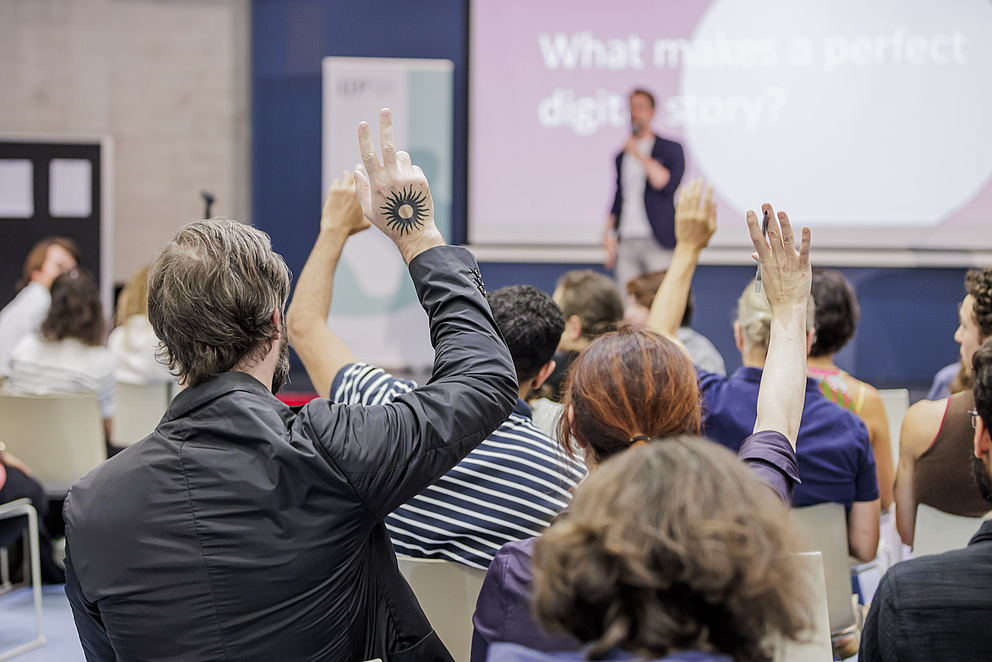
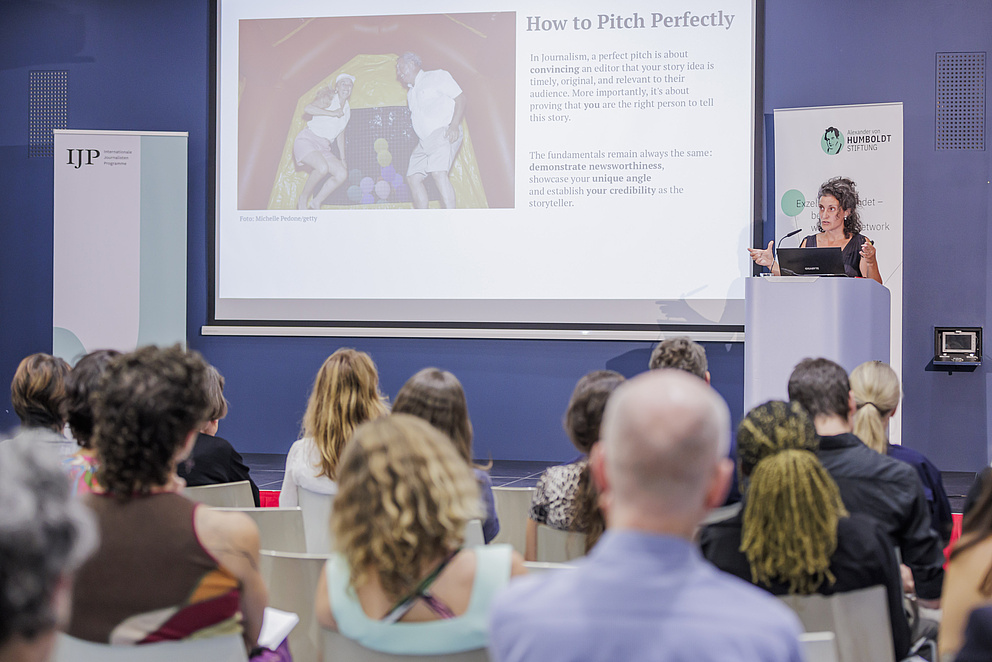
Learning together and critically sharing ideas were at the heart of all the activities involving research and journalism: How can scientific topics be communicated clearly and engagingly to different target groups? How can you develop a good (multimedia) story? How is media editors’ attention drawn to a good science story? And what role does artificial intelligence play in science communication?
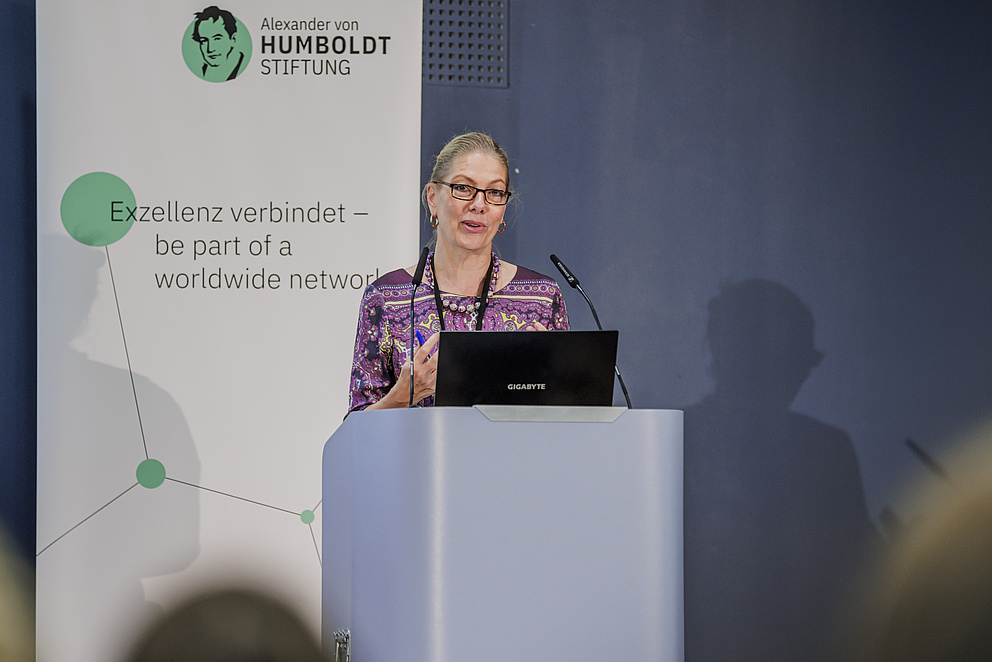
In her opening address, Anke Reiffenstuel (Commissioner for Foreign Science Policy, Foreign Education and Research Policy at the Federal Foreign Office) said, “As we face societal changes that affect our healthcare systems and intergenerational relations, we turn to research to show us pathways into equitable and sustainable healthy living.” In this context, Reiffenstuel acknowledged, “Scientific knowledge is not always self-explanatory. It must be communicated in an effective way to make sure that it reaches as many people as possible.” Platforms like the Communication Lab are an opportunity for researchers and media experts to meet on an even playing field and build trusting partnerships.
From cells to cities, from treatment to prevention
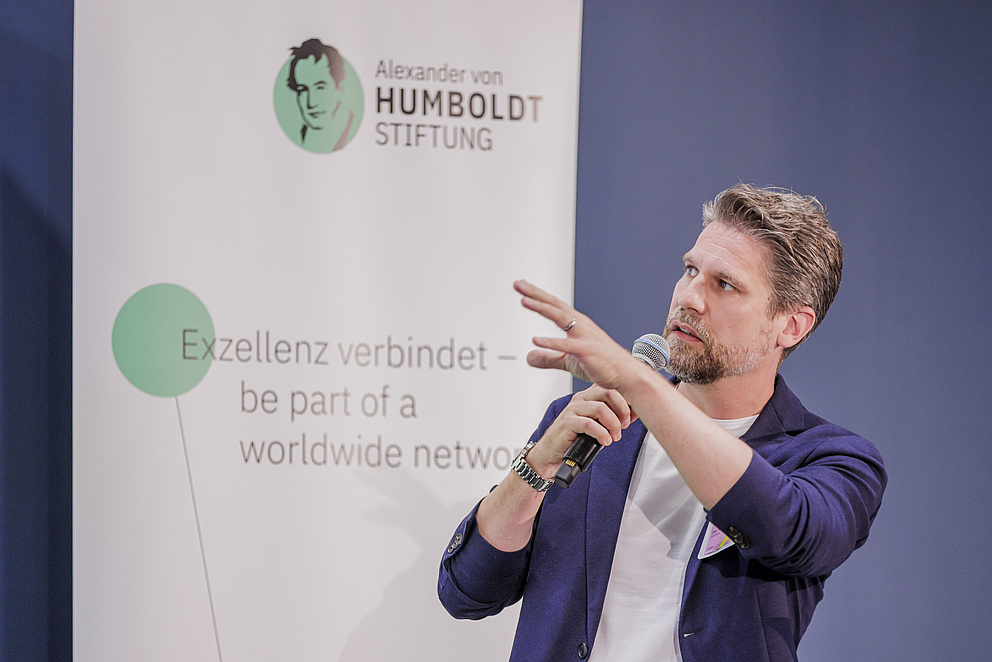
In her keynote entitled “AI and Longevity,” Tina Woods (CEO of Collider Health and managing director of the International Institute of Longevity) argued for a strong focus on issues of global justice. “A longevity society and prevention-based economy is not one where a privileged few live to 120 or even top 150 and more on fancy interventions and expensive technologies and pills. It is one where everyone, regardless of background, has the chance to live well into old age in good health. Where urban design, social policy, and technology align to extend not just lifespan, but the joy of life, feeding into healthspan. (…) We are at the cusp of a new paradigm – moving from cells to cities, from treatment to prevention, from inequality to equity.” For the entire keynote, visit here.
More information
Sustainable innovations need solution-oriented storytelling
Humboldt Professor Arnim Wiek addressed the role of the food industry in a sustainable lifestyle. He described how sustainable innovations in medium-sized enterprises can become multipliers for a sustainable food system – provided that they receive sufficient support. “Policies, funding schemes, training, networking, and media work can help with the uptake and acceleration of social innovations,” said Wiek. But above all, according to the sustainability expert, it needed a positive approach – away from merely deconstructing problems to a solution-oriented research paradigm that should go hand in hand with solution-oriented journalism: “We have to overcome our obsession with problems in science and the media.”
Genes or lifestyle? Nutrition, exercise and social contacts are crucial
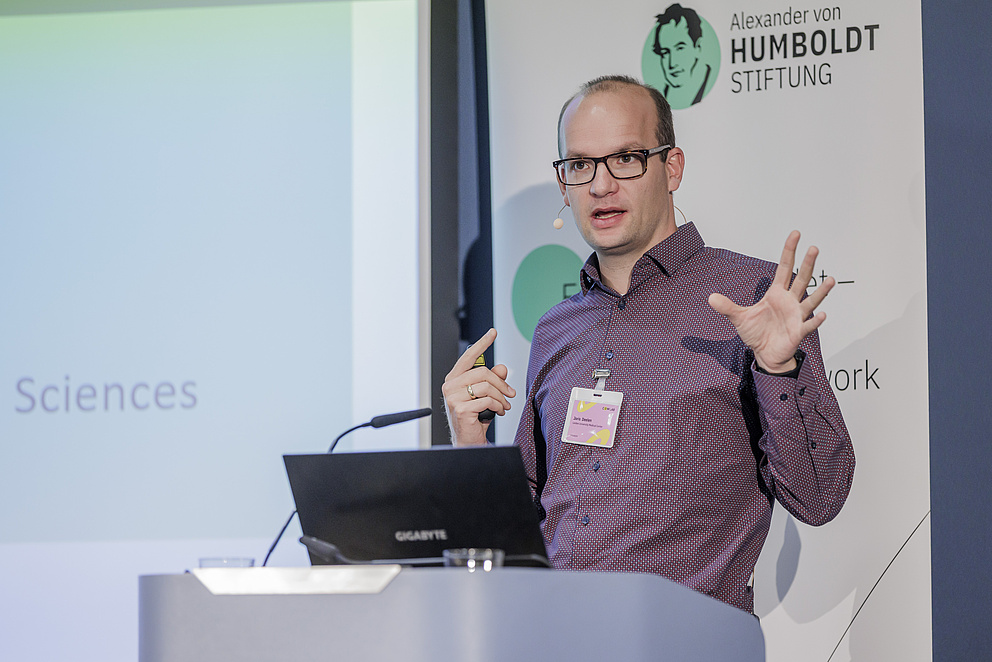
Joris Deelen, Humboldtian and molecular epidemiologist at Leiden University Medical Center, talked about the influence of genes on a healthy life. He emphasised that even though biomedical research could reveal more about the genetic foundations of longevity, one of the main aspects determining a long life was the individual’s cardiometabolic health. A healthy lifestyle – nutrition, exercise, good social contacts – could extend our lifespan by 20 years. But most important, Deelen argued, was societal change: “Changing the nutritional industry, making sure that governments work on improving social economic status, making our environments more liveable, and ensuring that we are exposed more to the healthy aspects of life.”


Science-media tandems – trust grows in conversation
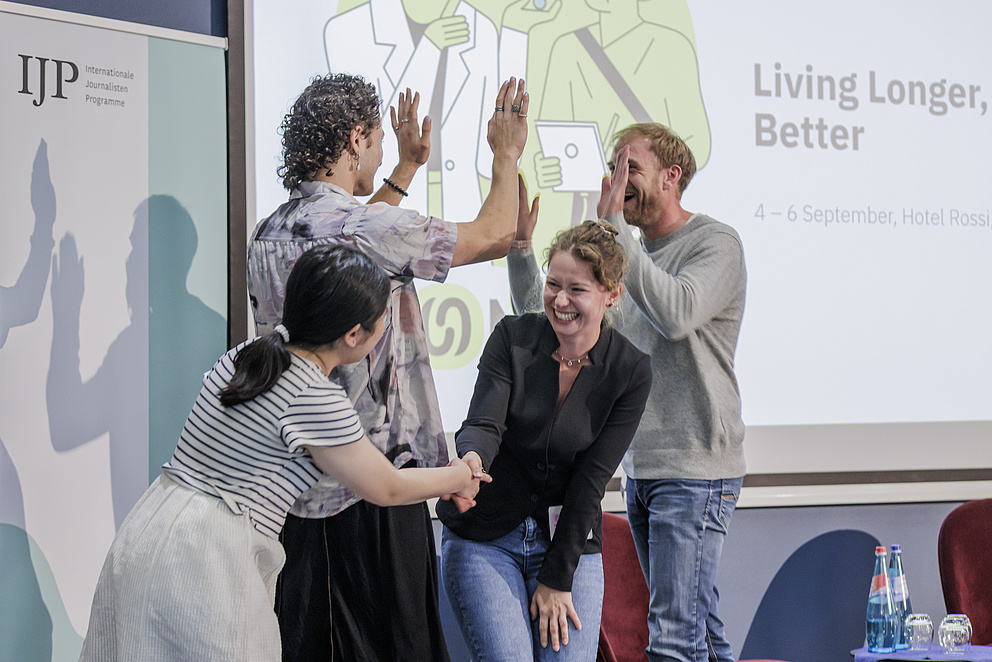
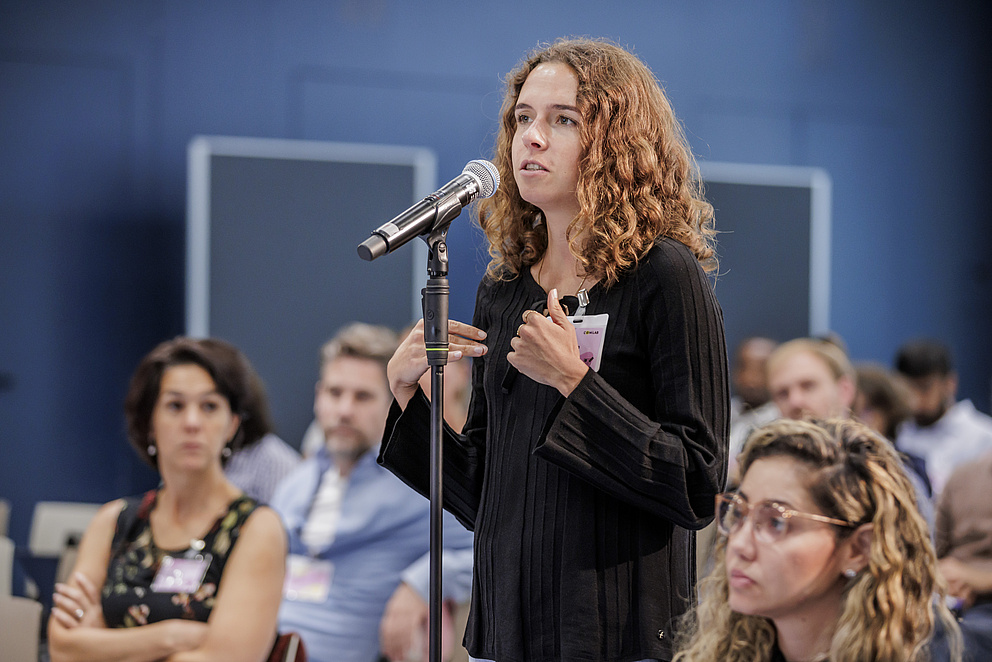
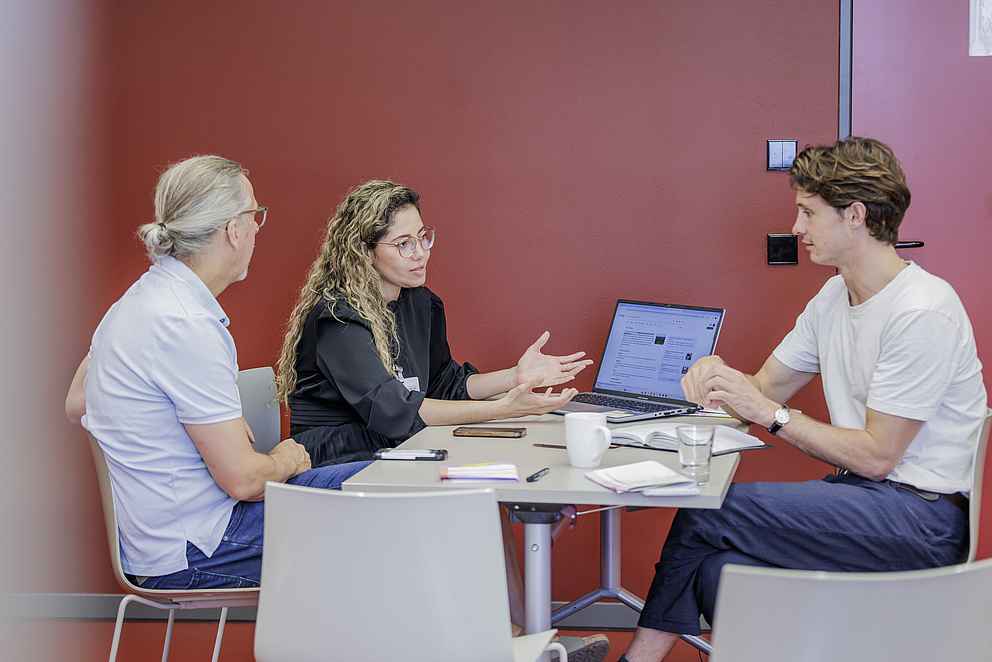
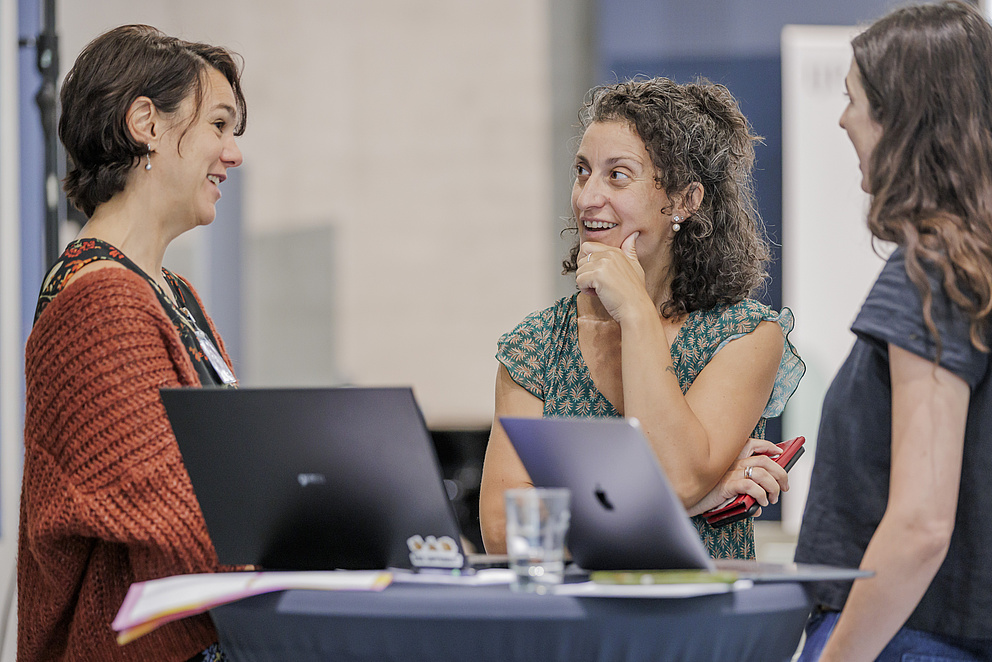
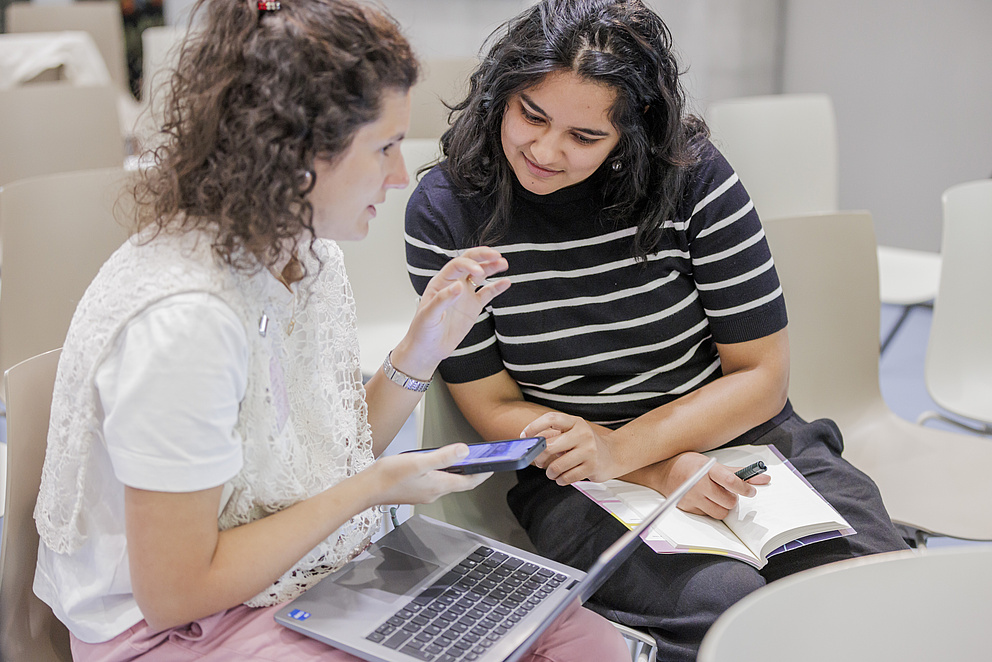
Interdisciplinary work requires trust, a safe space and people who make cooperation possible. When science meets media, it is not only about sharing content but also different working methods, styles and principles. An authentic dialogue is only possible when people discuss the how as well as the what. And the best way of addressing these issues is in a joint project. Guided by mentors from the international media, Jens Radü (editor-in-chief, DER SPIEGEL), Damian Carrington (environmental editor, The Guardian) und Gemma Terés Arilla (director taz Panter Foundation), the participants developed innovative project ideas on longevity in science-media tandems. The four best ideas were awarded funding of €2000. In addition, a peer prize of €500 was granted.
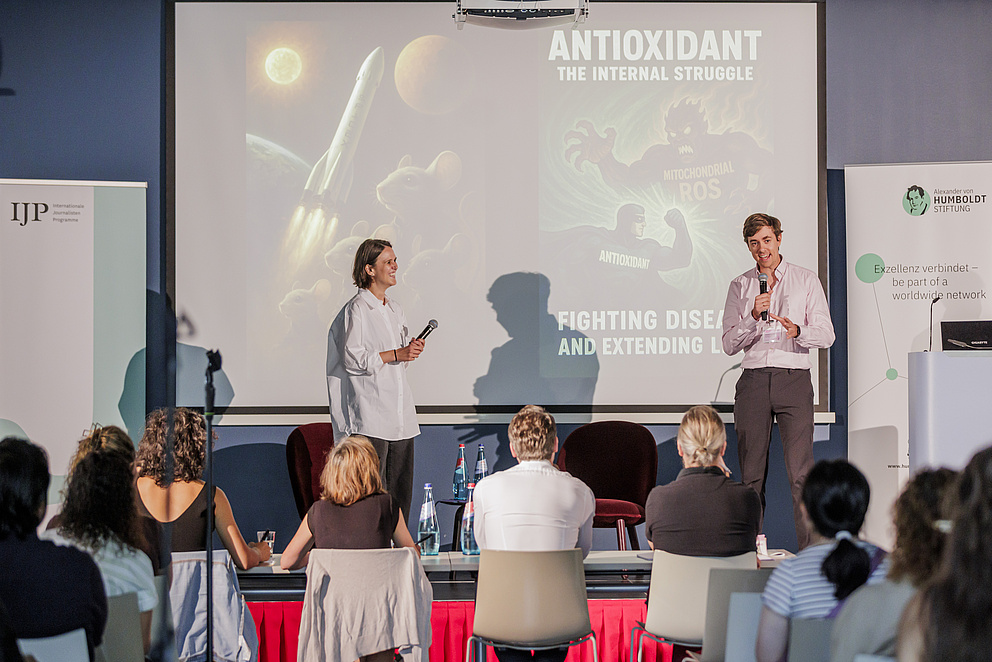
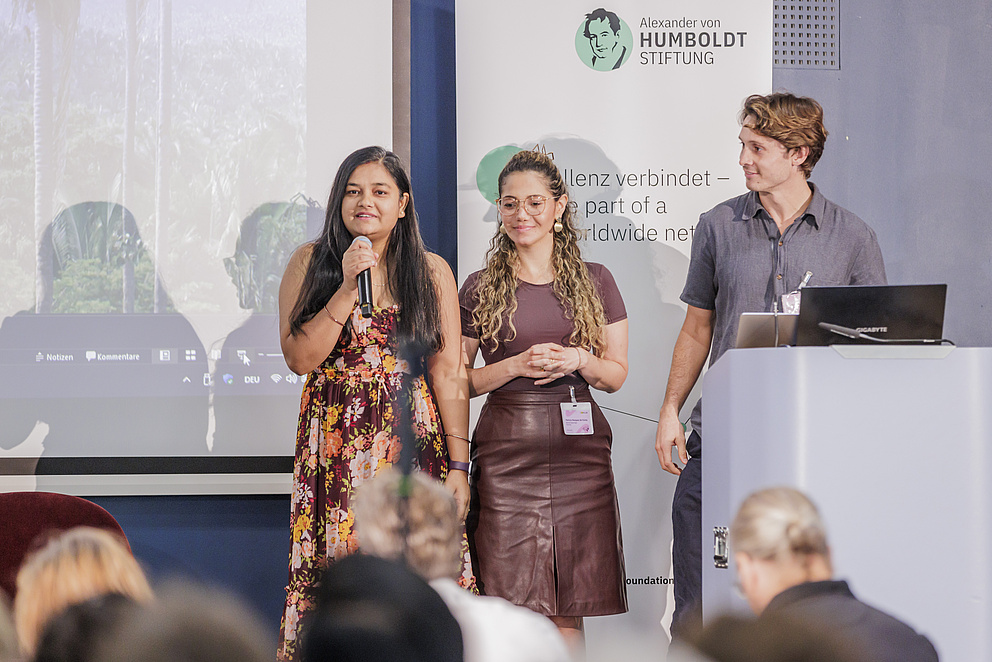
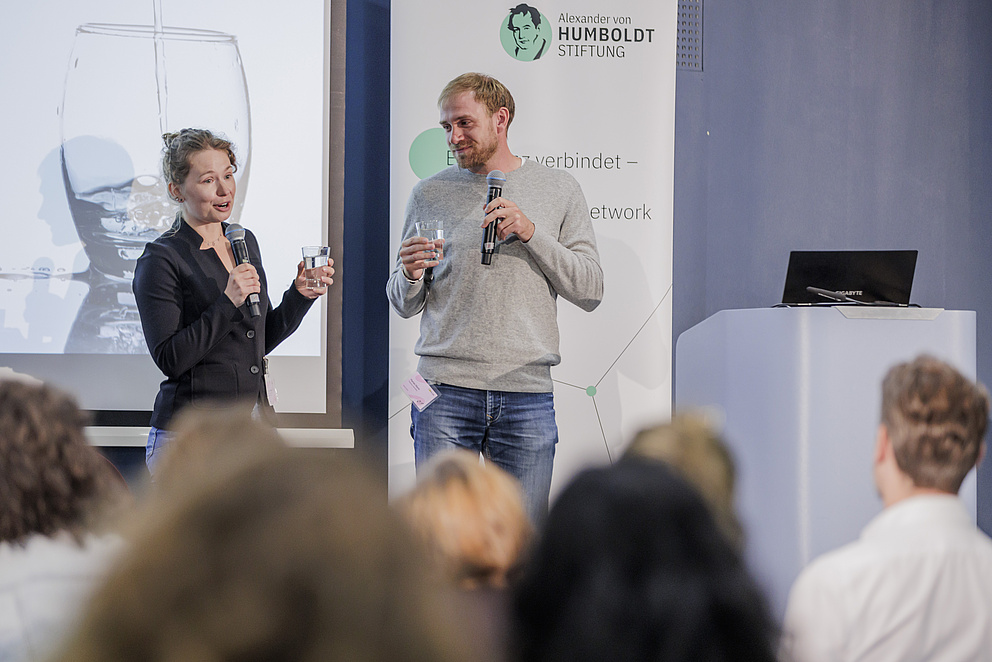
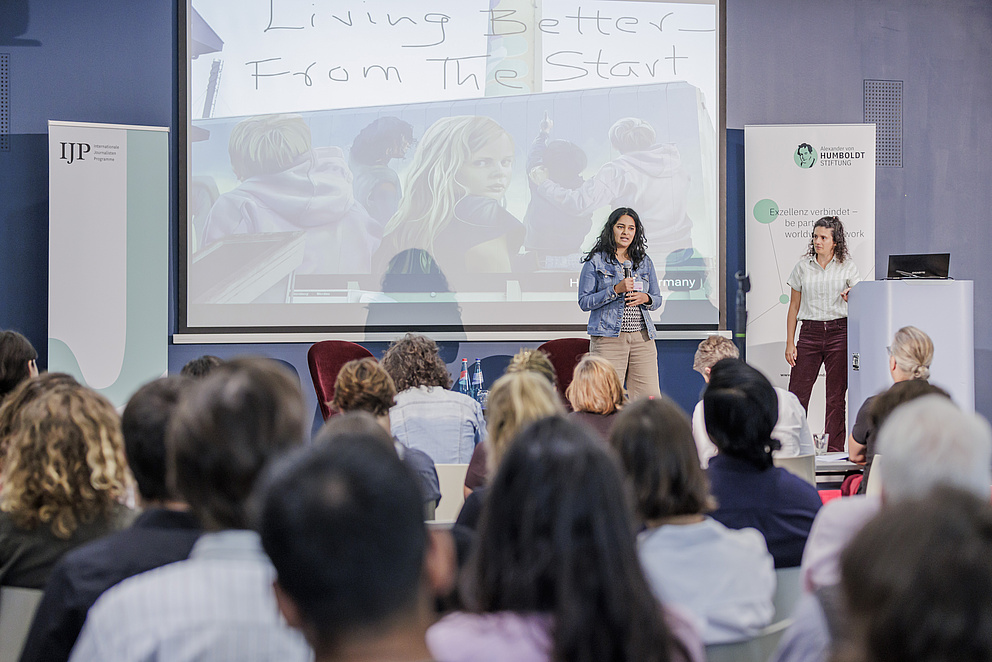
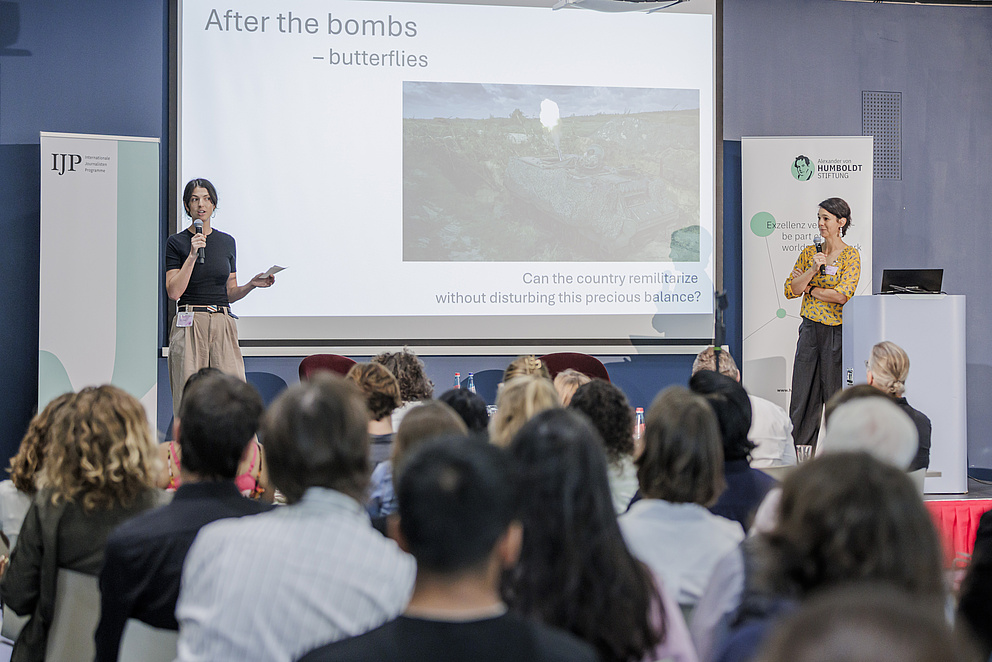
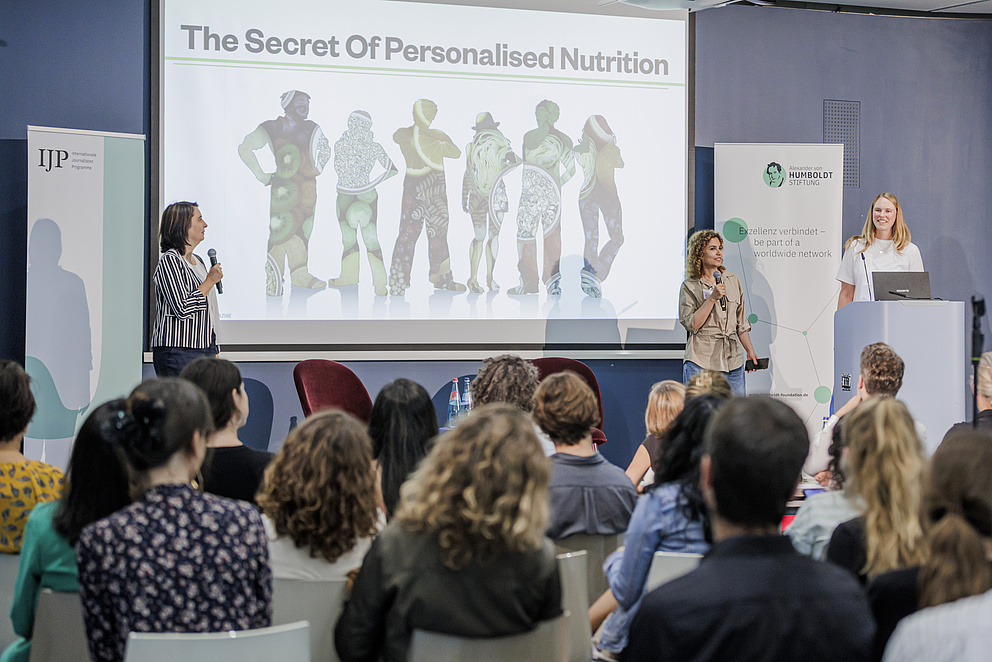
We should like to congratulate the five tandems whose project ideas impressed us with their particular focus on social benefits and innovative storytelling:
- Aaron Niederman (researcher) & Trisha Husada (journalist) and their project on the role of social technologies in workers’ alliances.
- Martyna Krajewska (researcher) & Florian Sturm (journalist) for their project on clean drinking water.
- Kirsten Traynor (researcher) & Jenna Kunze (journalist) for their project on the way nature reclaims militarised landscapes.
- Amritesh Kumar (researcher) & Tabitha Taylor Buck (journalist) for their project on less invasive medical implants in Parkinson’s research.
- The peer award went to Shuyan Liu (researcher) & Sofia Christensen (journalist) for their project on loneliness amongst young people in Africa.
After publication, the projects will be presented on the Humboldt Foundation’s website.
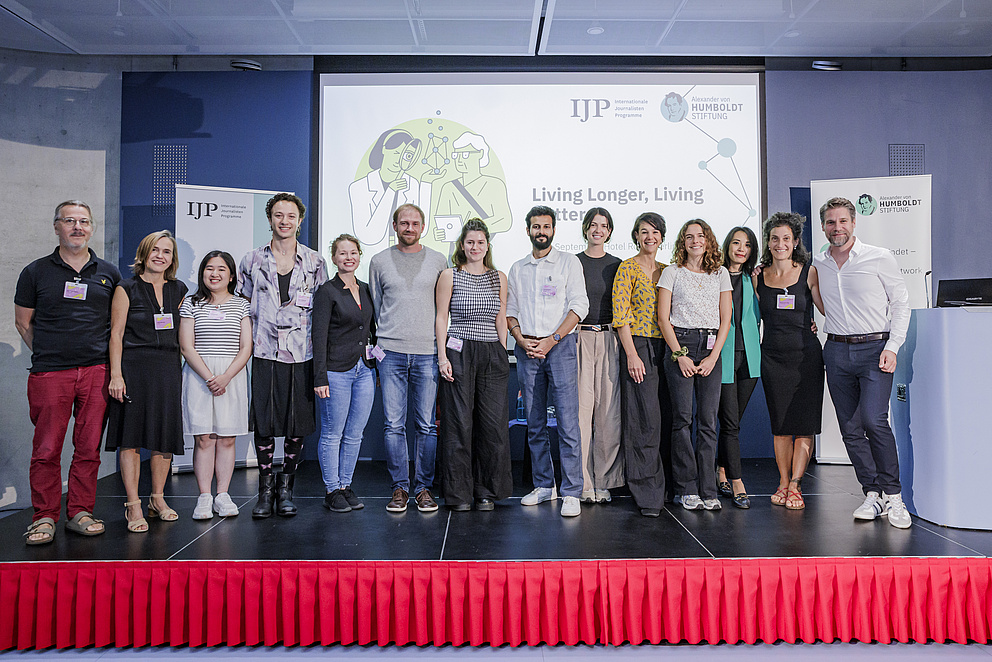
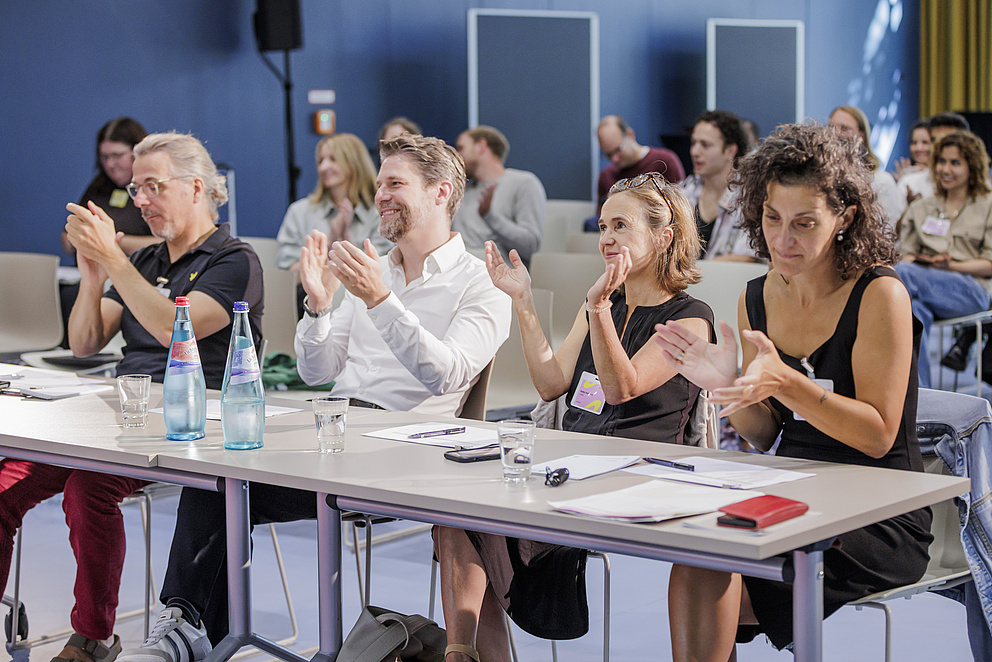
Communication Lab: Once a year, Humboldt Foundation fellows get together with journalists from all over the world – fellows of the International Journalists’ Programmes. During a three-day workshop, they form science-media tandems to develop an innovative journalistic project, supported by experienced mentors. Learning from one another is at the heart of the activity. What do we expect of one another? How can trusting collaboration succeed? And what makes good science communication?
The Communication Lab is funded by the Federal Foreign Office and is a collaboration between the Alexander von Humboldt Foundation and the International Journalists’ Programmes.