
Jump to the content
- {{#headlines}}
- {{title}} {{/headlines}}

Contact
Press, Communications and Marketing
Tel.: +49 228 833-144
Fax: +49 228 833-441
presse[at]avh.de
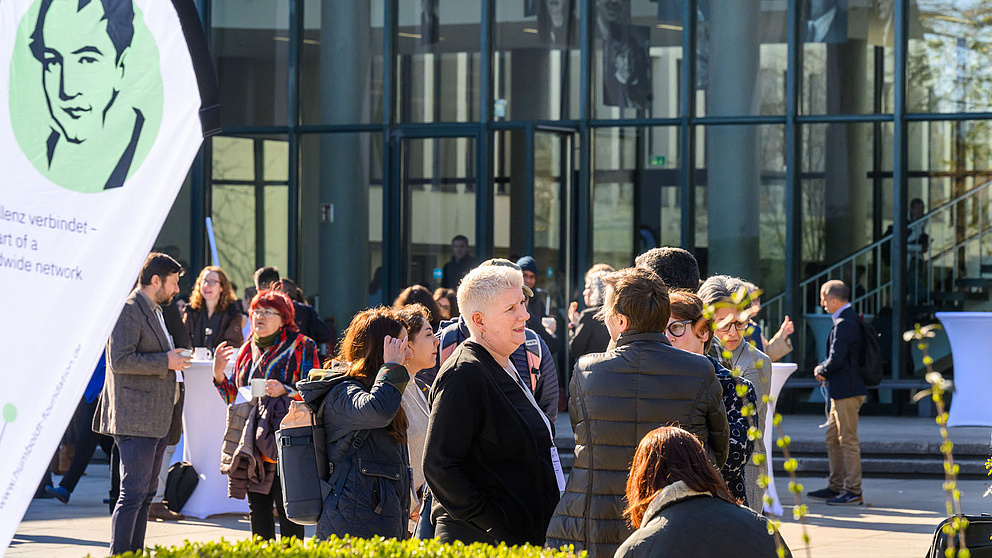
At the invitation of the Humboldt Foundation, some 370 researchers at risk, mentors, representatives of German, European and transatlantic partner organisations as well as policymakers gathered in Berlin on 9 and 10 April for the 2026 Philipp Schwartz Forum. The event sought to reinforce networking and exchange on support measures both for researchers at risk and for academic freedom worldwide.
When the scope for academic freedom, civil society and democracy decreases, researchers are some of the first to come under pressure. Scientists and scholars, who are subject to considerable, sustained personal threat in their own countries, can continue their work in Germany with the help of a fellowship under the Humboldt Foundation’s Philipp Schwartz Initiative. Up to now, 147 institutions have hosted more than 670 researchers from 31 countries. What lessons have been learned during the ten years of the Philipp Schwartz Initiative? What challenges are posed by the changing global situation? And how should the network for the protection of researchers at risk position itself for the future?

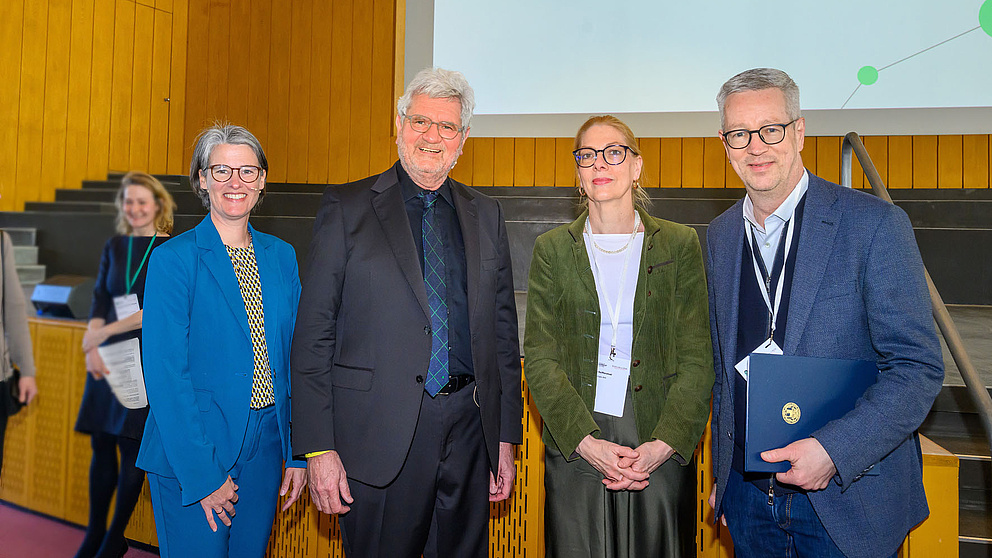
Anke Reiffenstuel, Commissioner for Foreign Science Policy, Foreign Education, and Research Policy at the Federal Foreign Office, welcomed the participants. In her address, she emphasised the foreign policy significance of the Philipp Schwartz Initiative as a central pillar in defending academic freedom and international solidarity. Scientific insights and facts, not least those referenced in the Academic Freedom Index, were an essential basis for informed, effective policymaking, according to Reiffenstuel.
Günter M. Ziegler, President of FU Berlin and host of the event, drew attention to the commitment of many colleagues at the university to academic freedom as well as their long-standing, successful cooperation with the Philipp Schwartz Initiative, which laid the foundation stone for the German Scholars at Risk section.
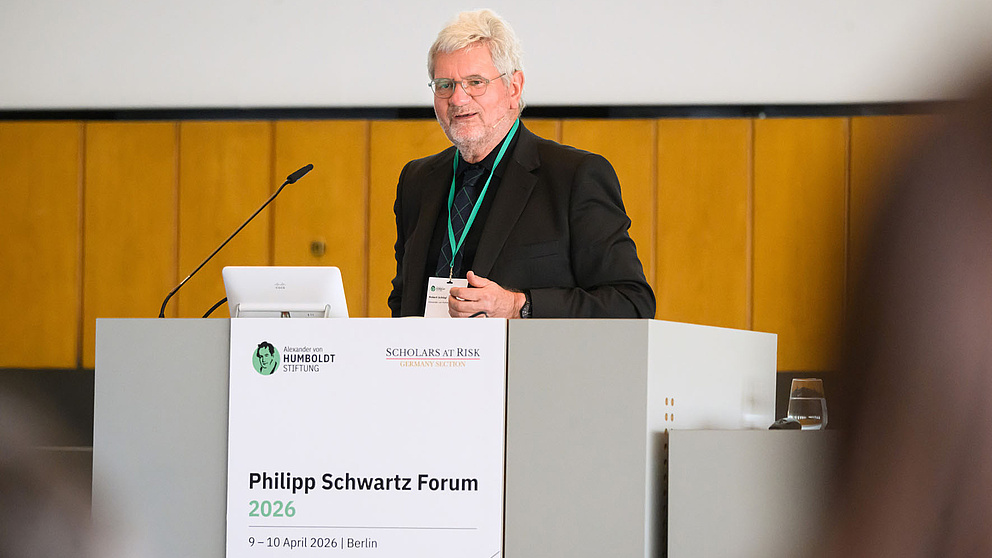
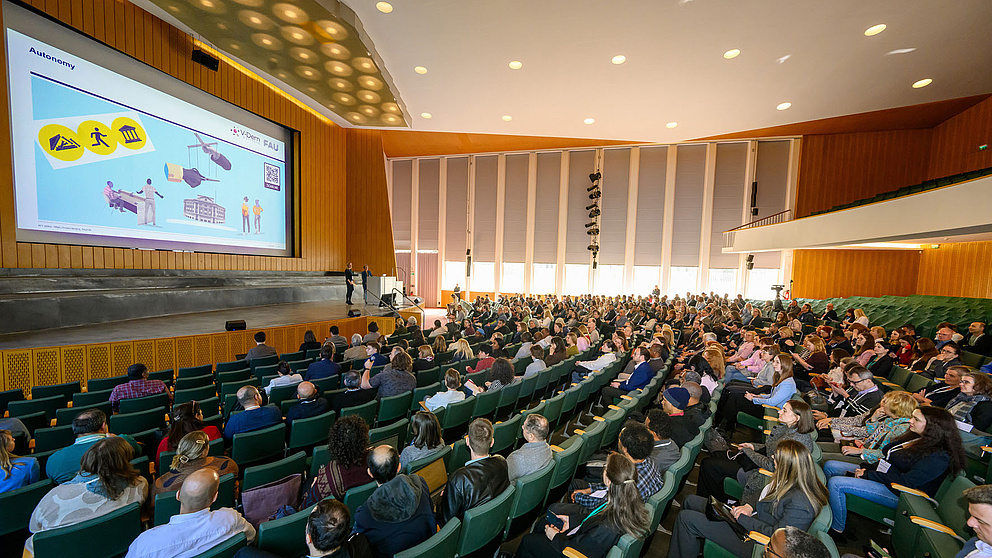
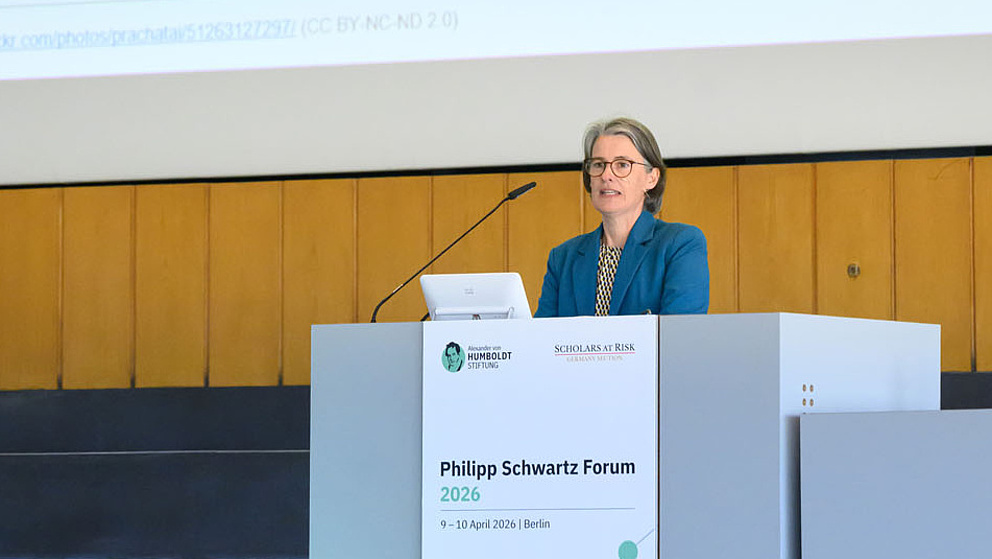
Keynote speeches followed, held by Robert Schlögl, President of the Humboldt Foundation, and Katrin Kinzelbach, Professor for the Politics of Human Rights at FAU Erlangen-Nürnberg. Referring to the launch of the Philipp Schwartz Initiative in 2015, both speakers emphasised the change in the security risks confronting researchers in the wake of global conflicts. Academic freedom was fundamental to preserving democratic systems and a driver of innovation and progress, too.
Looking ahead had become more important than ever, they claimed: What long-term trends will be relevant? What is required in order to support researchers and safeguard academic freedom in Germany, Europe and beyond? What difference can the networks that have been created by the Philipp Schwartz Initiative make? Schlögl and Kinzelbach called for wide-ranging measures in policymaking and at academic institutions to reinforce the science system and make it resilient to future attacks. It was particularly important to protect the autonomy of research institutions, Katrin Kinzelbach explained, drawing on the newest statistics in the Academic Freedom Index.
The freedom to conduct research is by no means a matter of course. We cannot take it for granted. We must pay close attention, recognise the signs that signal restrictions and dismantling, and take action.
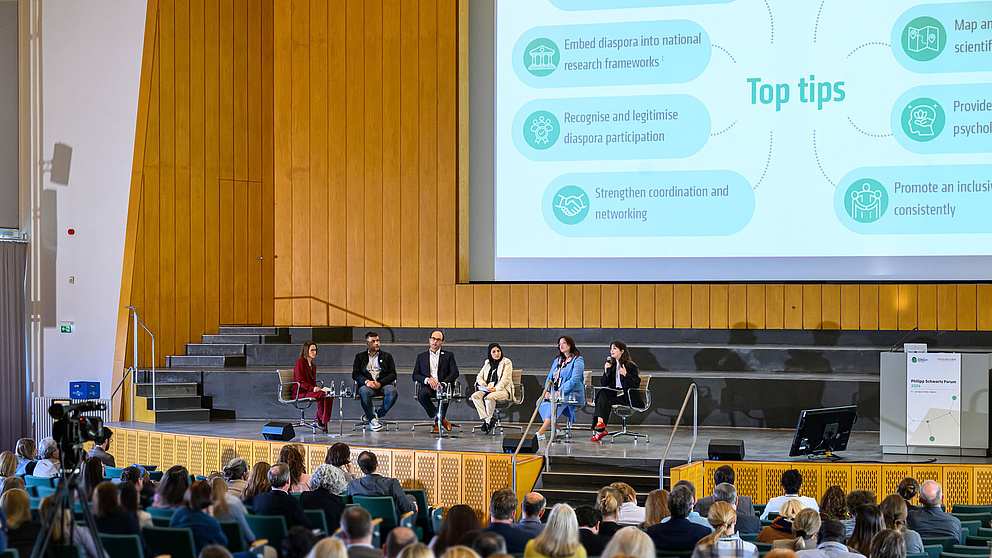
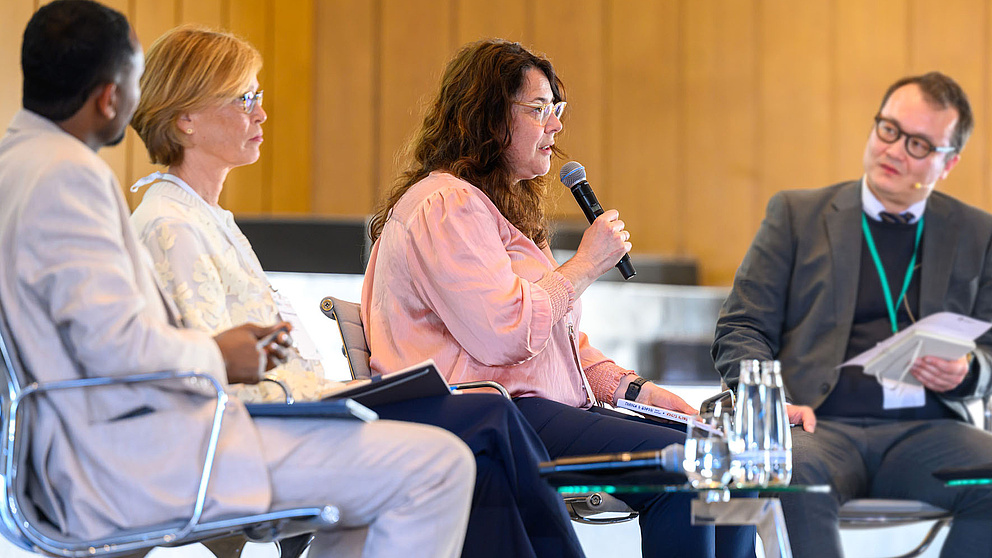
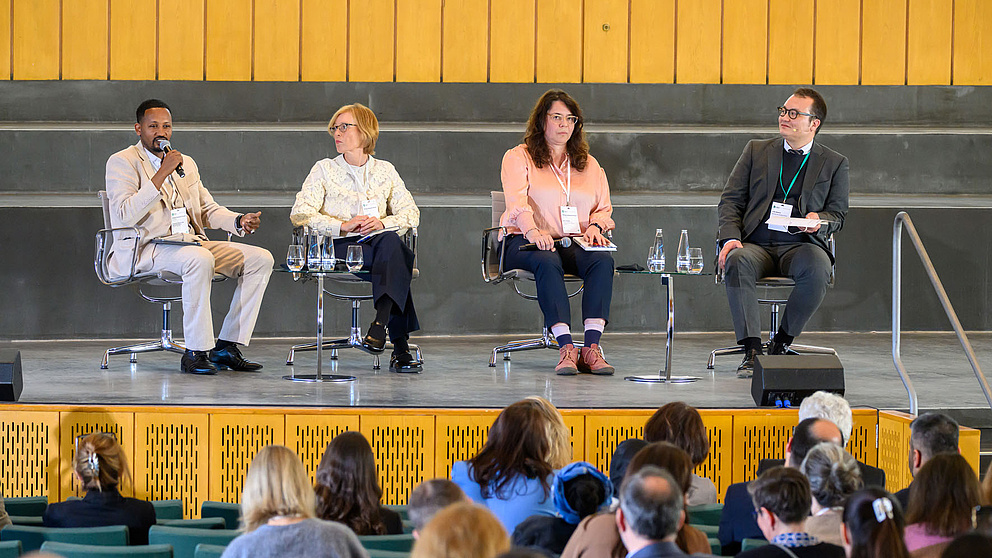
Cooperation between researchers and their academic hosts is also the basis for personal and professional success. On the second panel, Philipp Schwartz Fellows from Sudan and Ukraine, together with academic mentors, addressed the question as to what sustainable, productive cooperation can look like. It was necessary, they agreed, to differentiate between academic mentoring and other support measures. They referred to the administrations of German and European host institutions whose exceptional commitment and involvement enabled them to settle in and continue their work.
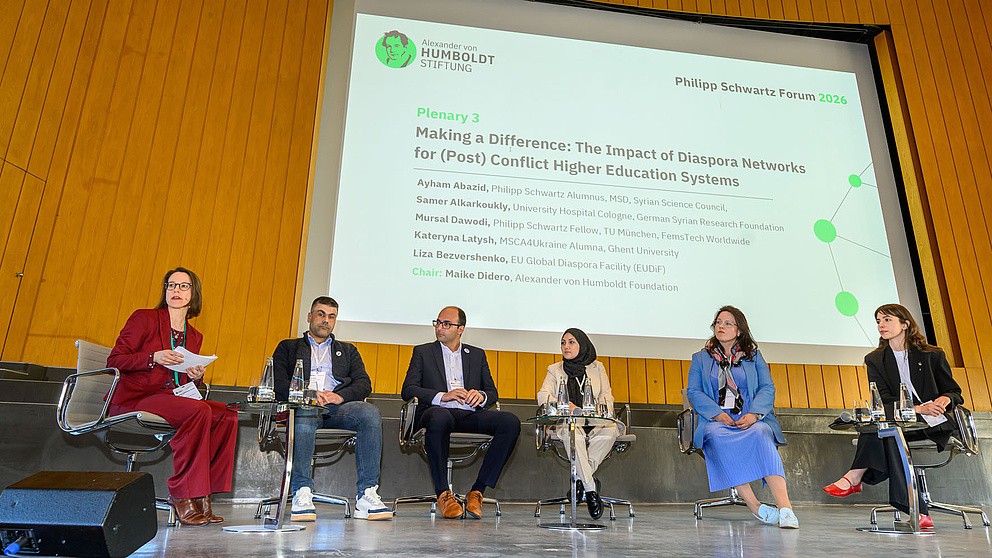
On another panel, researchers from Afghanistan, Syria and Ukraine reported on their experiences of the diaspora. They presented various organisational forms and approaches designed to help preserve knowledge and reconstruct academia in war zones and post-conflict situations. The researchers shared practical advice on how such engagement could succeed – despite the high systemic hurdles and personal challenges of a career in exile.
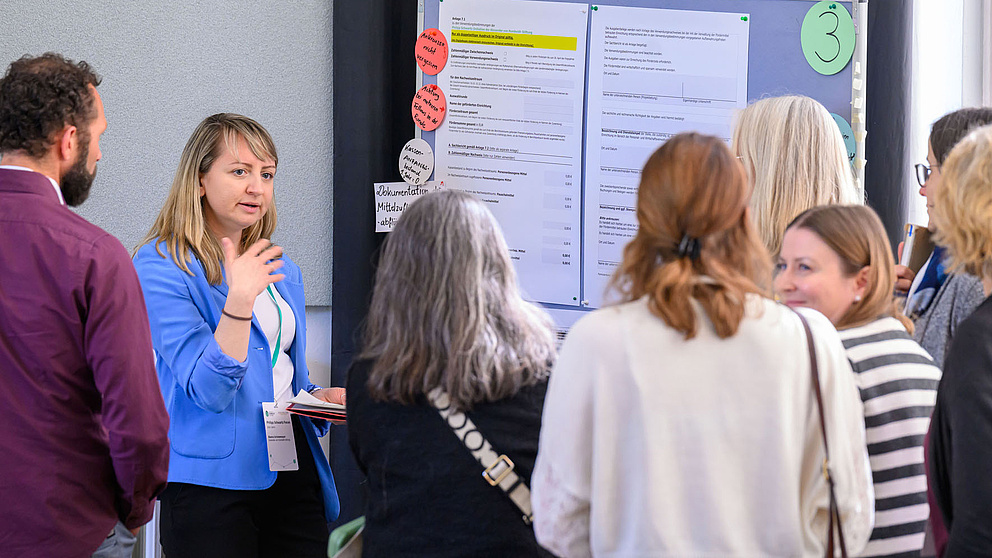
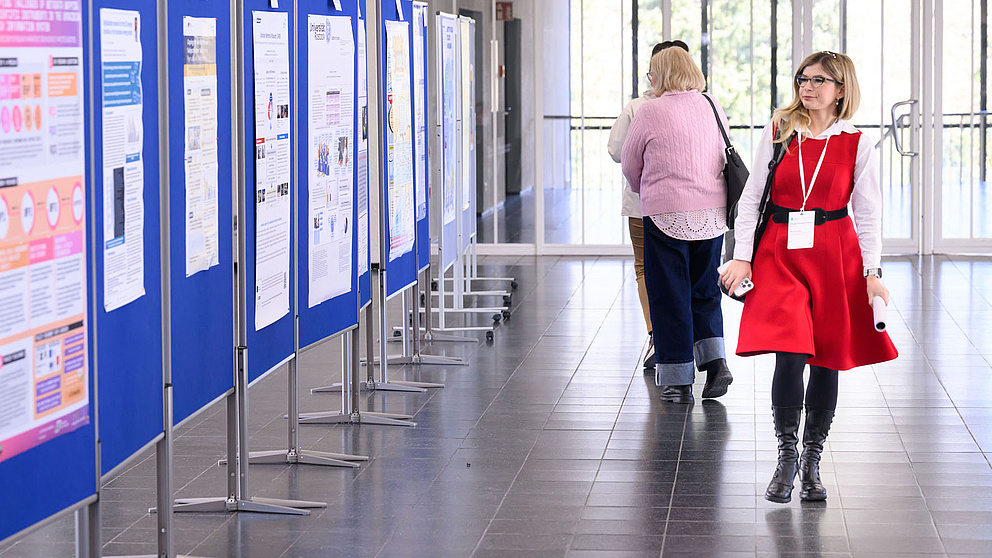

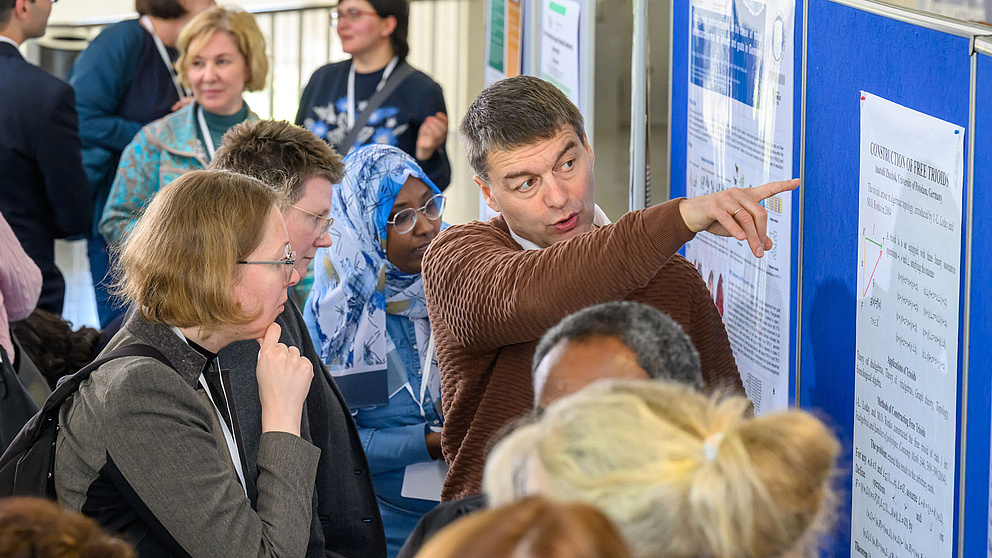
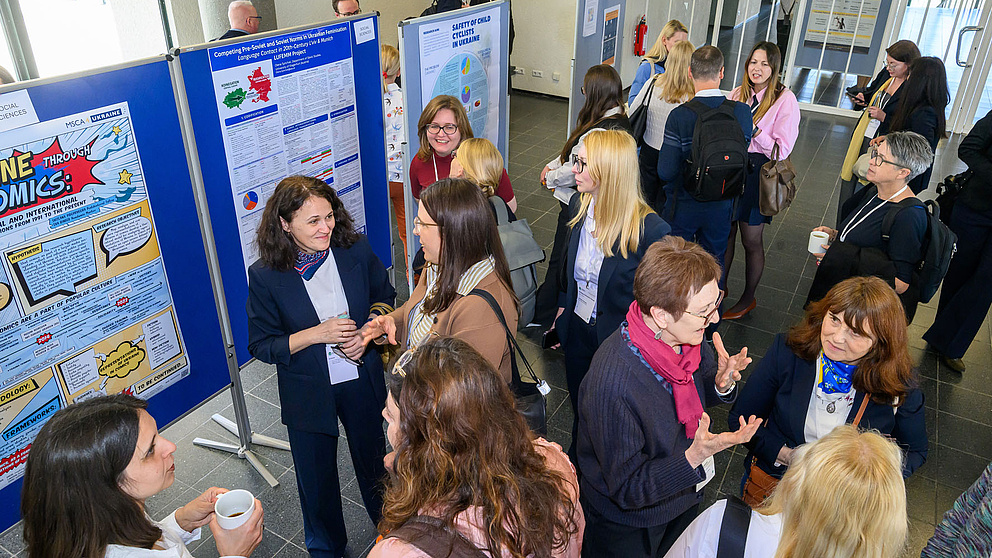
On the second day of the event, the Philipp Schwartz Initiative’s sponsorship-recipients, host institutions and partners had the opportunity to delve deeper into concrete topics during workshops. Ranging from mental health issues via tools for strategic networking and aids to writing research and third-party funding applications through to practical advice on building a career in Germany, the participants were able to exchange ideas with experts.